
A fire extinguisher is one of the most important tools for protecting lives and property from fire hazards. However, simply having extinguishers in place is not enough. Regular fire extinguisher service ensures that these essential devices remain in good working condition, ready to perform when needed most. Without proper maintenance, even the best fire extinguisher can fail at a critical moment, putting people and property at serious risk.
Understanding what is included in a professional fire extinguisher service and why it is vital can help business owners, property managers, and homeowners make informed decisions about their safety systems.
Understanding the Importance of Fire Extinguisher Service
Fire extinguishers are often the first line of defense against small fires, helping to prevent minor incidents from turning into major disasters. Yet, over time, extinguishers can lose pressure, parts can deteriorate, or the extinguishing agent can expire.
A professional fire extinguisher service ensures that every unit functions correctly and complies with safety standards. Regular servicing also keeps users confident that their equipment will work in an emergency.
In many regions, maintaining fire extinguishers is not only a safety best practice but also a legal requirement. Regulations often specify how often extinguishers must be inspected, tested, and replaced.
What Is Included in a Fire Extinguisher Service
Fire extinguisher service involves several important steps that go beyond a quick visual inspection. Each stage ensures the extinguisher is in proper condition and ready for use at all times.
1. Visual Inspection and Condition Check
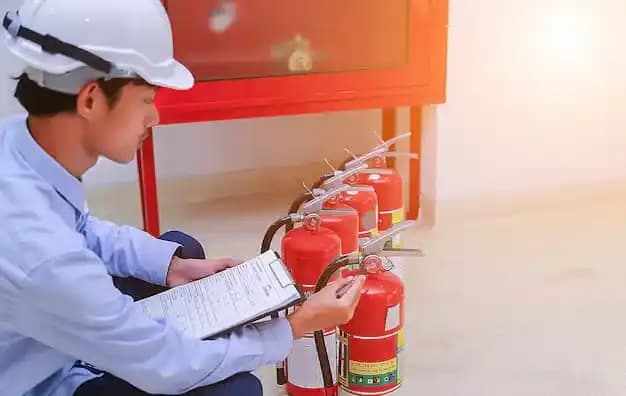
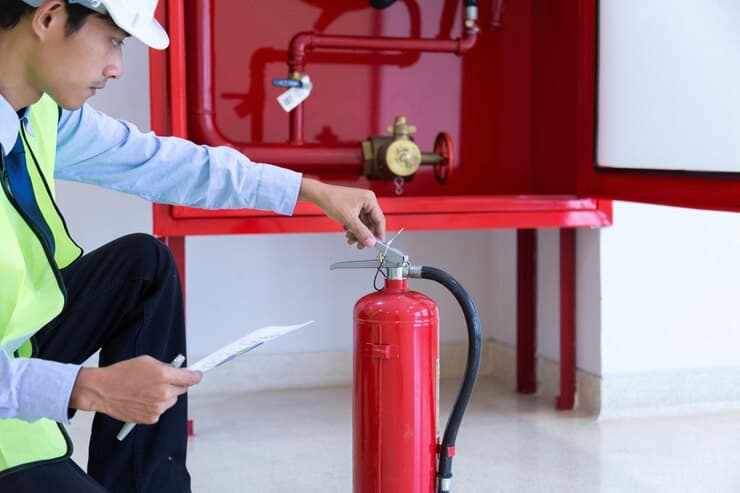
The first step in any fire extinguisher service is a thorough visual inspection. Technicians check the external condition of the extinguisher, looking for signs of corrosion, dents, leaks, or damage. They also verify that the labels and instructions are clear and legible.
In addition, the service professional ensures that the extinguisher is easily accessible, properly mounted, and located in the right place according to fire safety standards. If any issues are found, they are documented and corrected immediately.
2. Pressure Gauge and Seal Verification
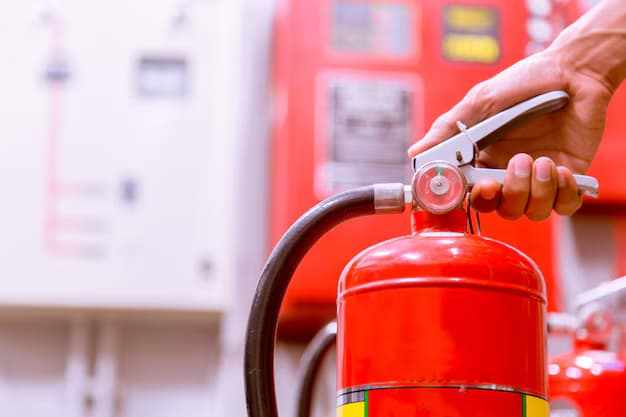
The pressure gauge indicates whether an extinguisher is within the recommended pressure range. During servicing, the technician checks that the needle is in the correct zone and that the safety seal or tamper indicator is intact.
A broken seal may suggest that the extinguisher has been used or tampered with. In such cases, it must be recharged or replaced to ensure full functionality.
3. Inspection of Internal Components
For certain types of extinguishers, internal inspections are carried out at specific intervals, usually every few years. The technician may open the unit to check for internal corrosion, clumping of the extinguishing agent, or other forms of degradation.
If the agent has settled or deteriorated, the extinguisher is emptied, cleaned, refilled, and pressure tested before being put back into service. This process ensures that the extinguisher will discharge effectively when activated.
4. Weighing the Extinguisher
Each fire extinguisher contains a specific amount of extinguishing agent, and the total weight should match manufacturer specifications. The technician weighs the extinguisher to ensure that no agent has leaked or evaporated.
If there is any discrepancy, it may indicate a slow leak or other malfunction, and the extinguisher must be recharged or replaced.
5. Hose and Nozzle Examination
A crucial part of the inspection involves checking the hose, nozzle, and other discharge mechanisms. Any cracks, blockages, or wear can affect the extinguisher’s ability to release the agent effectively.
Technicians clean and test these components to confirm that they are clear and fully operational. Properly maintained hoses and nozzles ensure that the extinguishing material can reach the fire quickly and efficiently.
6. Recharge or Replacement of Extinguishing Agent
Fire extinguishers that have been discharged, even partially, must be recharged immediately. During service, the technician ensures that each unit contains the appropriate type and amount of extinguishing agent.
Common extinguishing agents include water, foam, dry chemical powder, carbon dioxide, and wet chemicals. Each type is suited for specific classes of fire, and maintaining the correct agent type is vital for effective fire control.
7. Hydrostatic Testing
Hydrostatic testing is a more advanced part of fire extinguisher servicing and is performed at periodic intervals, often every five to twelve years, depending on the extinguisher type.
This process involves filling the extinguisher cylinder with water and pressurizing it to check for leaks, weaknesses, or deformities. It ensures that the cylinder can safely hold pressure during operation. Any cylinder that fails this test must be replaced.
8. Updating Tags and Records
After each inspection or service, technicians update the service tag attached to the extinguisher. This tag includes details such as the date of inspection, the technician’s name, and the type of maintenance performed.
Maintaining accurate service records helps ensure compliance with safety regulations and provides documentation for audits or insurance requirements.
9. Ensuring Compliance with Fire Safety Standards
A key part of professional fire extinguisher service is ensuring compliance with local and national fire safety regulations. Technicians confirm that the number, type, and placement of extinguishers meet building codes and safety standards.
Compliance not only keeps people safe but also protects property owners from fines or legal liabilities.
Why Regular Fire Extinguisher Service Matters
Many people underestimate the importance of routine fire extinguisher servicing, assuming that unused extinguishers remain functional indefinitely. However, neglecting maintenance can have serious consequences.
1. Ensures Equipment Reliability
An extinguisher that fails during a fire can result in significant damage or injury. Regular servicing guarantees that each unit operates correctly when it matters most. It prevents issues such as loss of pressure, blocked nozzles, or expired extinguishing agents.
2. Extends the Lifespan of Equipment
Just like any safety device, fire extinguishers require periodic care to last longer. Proper maintenance helps detect problems early, allowing for timely repairs or recharging. This preventive approach extends the usable life of the equipment and reduces replacement costs.
3. Maintains Compliance and Avoids Penalties
Businesses and public buildings are legally required to maintain fire extinguishers in working condition. Failure to do so can result in fines, penalties, or even the temporary closure of a facility.
Regular fire extinguisher service ensures ongoing compliance with safety regulations and protects organizations from legal or insurance complications.
4. Protects Lives and Property
The most important reason for regular service is safety. A properly maintained extinguisher can quickly control small fires before they spread, preventing injuries, fatalities, and costly damage.
When every second counts, having a reliable extinguisher can make all the difference in saving lives and minimizing destruction.
5. Improves Insurance and Audit Readiness
Insurance companies often require evidence of fire safety maintenance as part of policy compliance. Keeping detailed service records helps property owners demonstrate that they have taken all necessary precautions.
This documentation can also prove useful during safety inspections or audits, showing that the property meets required fire safety standards.
How Often Should Fire Extinguishers Be Serviced
Most experts recommend that fire extinguishers receive a basic visual inspection monthly and a professional service at least once a year. Hydrostatic testing and internal examinations occur less frequently, depending on the extinguisher type and manufacturer guidelines.
Regular servicing ensures that the equipment remains reliable and compliant at all times. Property owners should also schedule additional inspections after any incident where an extinguisher was used or damaged.
The Role of Professional Technicians
While some basic checks can be performed by staff or building managers, only certified technicians have the expertise and equipment required for a full fire extinguisher service. Professionals understand the technical aspects of each extinguisher type and ensure compliance with all safety standards.
Their training enables them to detect hidden issues and perform necessary repairs or replacements efficiently. Hiring professionals ensures accuracy, reliability, and full regulatory compliance.
Conclusion
Regular fire extinguisher service is essential for ensuring safety, compliance, and reliability. By maintaining these vital devices through inspections, testing, and recharging, property owners can protect both people and property from the devastating effects of fire. Understanding what is included in a professional service helps emphasize its importance and long-term value.
For dependable and professional maintenance solutions, abcfiresafety offers expert fire extinguisher service designed to keep every environment protected. With certified technicians, thorough inspections, and a commitment to excellence, abcfiresafety ensures that clients always stay safe and compliant. Contact abcfiresafety today to schedule a complete fire extinguisher service and secure peace of mind for your property.


Write a comment ...