
Fire safety is a critical responsibility for owners and managers of commercial buildings. Offices, retail centers, warehouses, healthcare facilities, and mixed use properties all face unique fire risks due to high occupancy levels, complex layouts, and the presence of electrical systems and equipment. A structured fire safety service checklist helps ensure that these risks are properly managed and that buildings remain compliant, prepared, and protected.
A professional fire safety service supports commercial buildings by identifying hazards, maintaining safety equipment, and ensuring compliance with fire codes and regulations. This article provides a comprehensive fire safety service checklist designed specifically for commercial buildings, outlining key areas that require regular attention and ongoing management.
Importance of a Fire Safety Service for Commercial Buildings
Commercial properties require a higher level of fire protection due to the number of occupants and the potential impact of fire incidents on business operations.
Protecting Lives and Occupants
Employees, customers, and visitors rely on building management to provide a safe environment. A reliable fire safety service helps ensure that fire protection systems are functional and that emergency procedures are in place.
Effective fire safety planning can reduce injuries, support safe evacuations, and minimize panic during emergencies.
Maintaining Legal and Regulatory Compliance
Commercial buildings are subject to strict fire safety regulations. Authorities may conduct routine inspections to verify compliance with fire codes, equipment standards, and documentation requirements.
A professional fire safety service helps property owners meet these obligations and avoid fines, citations, or operational disruptions.
Reducing Property Damage and Business Disruption
Fires can cause significant damage to property, inventory, and infrastructure. Even small incidents can lead to extended downtime.
Consistent fire safety service and preventive maintenance reduce the likelihood of fires and limit their impact when they occur.
Fire Safety Service Checklist Overview
A comprehensive fire safety service checklist covers equipment, systems, procedures, and documentation. Each element plays a role in creating a complete fire protection strategy.
Fire Extinguisher Management
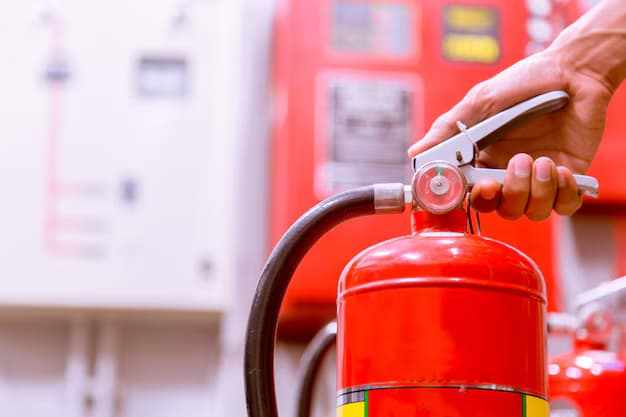
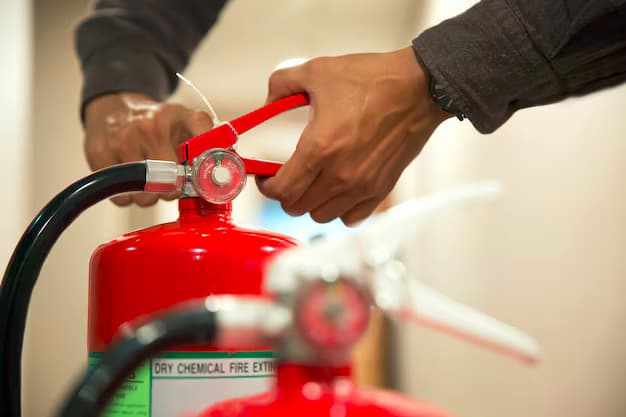
Fire extinguishers are a primary line of defense in commercial buildings and require regular oversight.
Placement and Accessibility
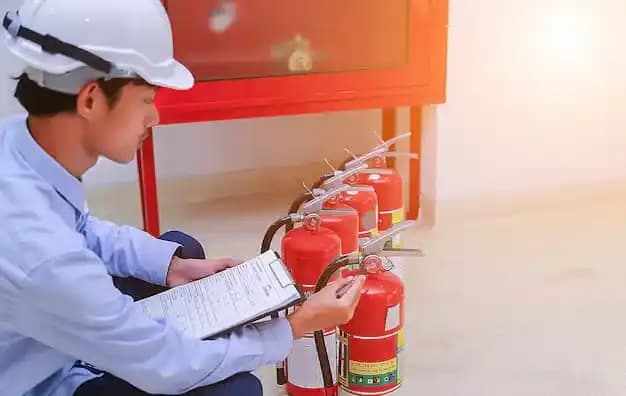
Fire extinguishers should be located according to building layout and hazard type. They must be visible, clearly marked, and easy to access.
A fire safety service verifies that extinguishers are not blocked by furniture, equipment, or stored materials.
Inspection and Maintenance
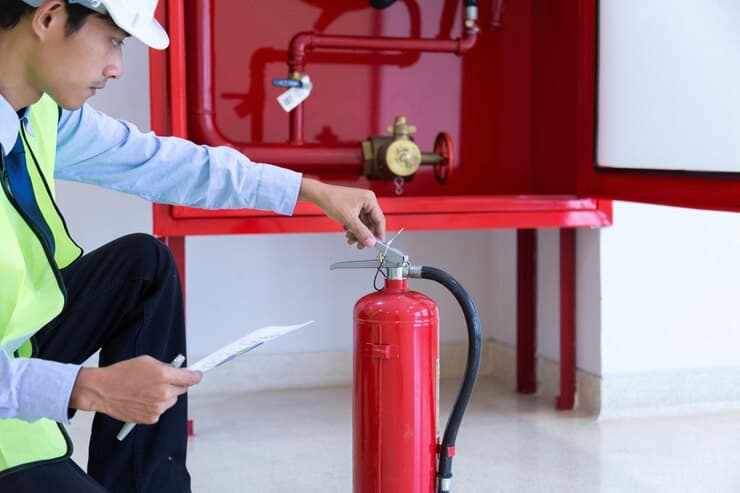
Monthly visual checks and annual professional inspections are essential. A fire safety service ensures that extinguishers are fully charged, undamaged, and ready for use.
Inspection tags and records should be up to date and properly documented.
Fire Alarm and Detection Systems
Early detection is critical for preventing the spread of fire and allowing timely evacuation.
Alarm System Functionality
Fire alarm systems should be tested regularly to confirm that they activate correctly. This includes audible alarms, visual signals, and notification systems.
A fire safety service conducts scheduled testing and addresses faults promptly.
Smoke and Heat Detectors
Smoke and heat detectors must be properly installed and maintained. Dust buildup, damage, or aging components can reduce effectiveness.
Routine checks by a fire safety service ensure reliable detection throughout the building.
Emergency Lighting and Exit Signage
Clear guidance during emergencies is essential for safe evacuation.
Emergency Lighting Systems
Emergency lighting should activate automatically during power failures. These systems help occupants navigate corridors, stairwells, and exits safely.
A fire safety service inspects and tests emergency lighting to confirm proper operation.
Exit Signs and Pathway Markings
Exit signs must be illuminated, clearly visible, and positioned correctly. Directional signage should guide occupants toward safe exits.
A fire safety service ensures that signage complies with regulations and remains unobstructed.
Fire Suppression Systems
Many commercial buildings rely on advanced suppression systems to control fires.
Sprinkler System Inspection
Fire sprinkler systems require regular inspection and testing. Valves, pipes, and sprinkler heads must remain in good condition.
A fire safety service checks for leaks, corrosion, blockages, and proper water pressure.
Specialized Suppression Systems
Some environments use specialized systems such as kitchen suppression or clean agent systems. These require specific expertise.
A qualified fire safety service ensures that specialized systems are maintained according to manufacturer and regulatory standards.
Electrical and Mechanical Safety Checks
Electrical and mechanical systems are common sources of fire hazards.
Electrical Equipment and Panels
Electrical panels should be clearly labeled, accessible, and free from obstructions. Overloaded circuits and damaged wiring increase fire risk.
A fire safety service may identify potential hazards during inspections and recommend corrective actions.
Heating and Ventilation Systems
Heating systems, ventilation ducts, and exhaust systems should be clean and properly maintained. Dust and grease buildup can contribute to fire spread.
Regular checks support fire prevention and overall building safety.
Fire Risk Assessments
Risk assessments are a foundational element of fire safety planning.
Identifying Hazards
A fire safety service evaluates potential ignition sources, combustible materials, and high risk areas within the building.
This assessment forms the basis for targeted safety measures and equipment placement.
Evaluating Occupancy and Use
Changes in building use, occupancy levels, or layout can affect fire risk. A fire safety service reviews these factors and updates safety plans accordingly.
Emergency Planning and Evacuation Procedures
Preparedness is as important as equipment.
Evacuation Plans
Clear evacuation plans should be documented and displayed throughout the building. These plans must reflect current layouts and exit routes.
A fire safety service reviews and updates evacuation plans as needed.
Fire Drills and Training
Regular fire drills help occupants understand procedures and reduce confusion during emergencies.
A fire safety service may assist with training and guidance to improve preparedness.
Documentation and Record Keeping
Accurate records are essential for compliance and accountability.
Inspection and Maintenance Records
All inspections, tests, and maintenance activities should be documented. Records must be accessible for audits and inspections.
A professional fire safety service maintains organized documentation and provides reports as required.
Compliance Certificates and Reports
Certificates and reports demonstrate that fire safety systems meet regulatory standards.
Maintaining these documents supports smooth inspections and ongoing compliance.
Ongoing Monitoring and Continuous Improvement
Fire safety requires consistent attention and adaptation.
Regular Reviews and Updates
Fire safety needs can change due to renovations, new equipment, or operational changes. A fire safety service conducts regular reviews to ensure continued effectiveness.
Proactive Maintenance
Preventive maintenance reduces unexpected failures and costly repairs. A proactive fire safety service identifies issues early and recommends improvements.
Conclusion
A comprehensive fire safety service checklist is essential for protecting commercial buildings, occupants, and business operations. By addressing fire extinguishers, detection systems, suppression equipment, emergency planning, and documentation, property owners can create a safer and more compliant environment. Consistent inspections, risk assessments, and preventive maintenance reduce fire hazards and support long term safety goals.
Partnering with experienced professionals ensures that every aspect of fire protection is properly managed. For commercial building owners seeking dependable expertise and high standards of care, ABC Fire & Safety provides trusted fire safety service solutions designed to support safety, compliance, and peace of mind.


Write a comment ...